
If you manage or own a commercial building, choosing a good roofing contractor is one of the most important decisions you will make.
The wrong choice can cost far more than the roof itself, through poor workmanship, safety issues, unexpected repairs, and long-term headaches.
The right contractor, on the other hand, becomes a trusted partner who helps protect your building, your budget, and your peace of mind.
This guide is designed to help you avoid common mistakes and confidently evaluate commercial roofing contractors based on real qualifications, experience, and accountability, not sales pressure.
Below, we outline eight key factors that every building owner or property manager should consider before hiring a commercial roofing contractor.
A good commercial roofing contractor is defined by proven experience, strong safety practices, transparent communication, and long-term accountability.
The goal is not just to get a roof installed or repaired, but to work with a contractor who understands your building, your risks, and your long-term plan.
Factor #1: Proven Commercial Roofing Experience
Let’s start off with a simple fact: commercial roofing is not the same as residential roofing. The systems are different, the stakes are higher, and the margin for error is much smaller.
A qualified commercial roofing contractor should have direct experience with large-scale roofing systems, occupied buildings, and complex logistics.
This includes coordinating around tenants, minimizing disruption, and understanding how roofing work impacts operations inside the building.
Red flags include contractors who primarily focus on residential work, struggle to explain commercial systems clearly, or lack experience with buildings similar to yours.
Experience matters because commercial roofing problems are rarely simple, and solutions need to be planned accordingly.
Factor #2: Licensing Reality in Texas and Why It Matters
Texas does not require a state roofing license, which surprises many building owners and property managers.
While this lack of licensing is more commonly exploited in residential roofing, it still creates an opportunity for unqualified contractors to operate in the commercial space.
Because there is no license requirement, insurance coverage, documented experience, and accountability become even more important.
Workers’ compensation and liability insurance should be non-negotiable.
Manufacturer certifications can add value, but they should never be viewed as a standalone qualification.
This is also where voluntary credentials matter. Programs like the RCAT voluntary commercial roofer license help establish higher standards in an otherwise unregulated environment.
Full transparency: I am biased. At the time of publishing, I am the RCAT president, and I helped teach the commercial roofing course last year. That said, this program exists for one reason: to help building owners separate qualified commercial contractors from everyone else.
Factor #3: Safety Standards and Training Programs
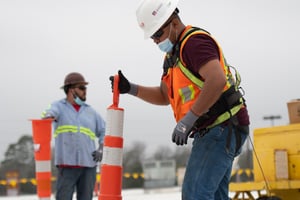
Safety is not just about compliance; it is about culture.
Commercial roofing projects carry real risk, and poor safety practices can lead to injuries, delays, liability, and unexpected costs.
A good contractor should be able to clearly explain their safety protocols, training programs, and expectations for crews on your property.
At Supreme Roofing, we complete more than 10,000 hours of cumulative safety training annually, as safe job sites lead to better outcomes for everyone involved.
If a contractor struggles to discuss safety practices or treats it as an afterthought, that should raise concern.
Factor #4: Clear, Detailed Inspections and Proposals
A thorough inspection is the foundation of any good roofing recommendation.
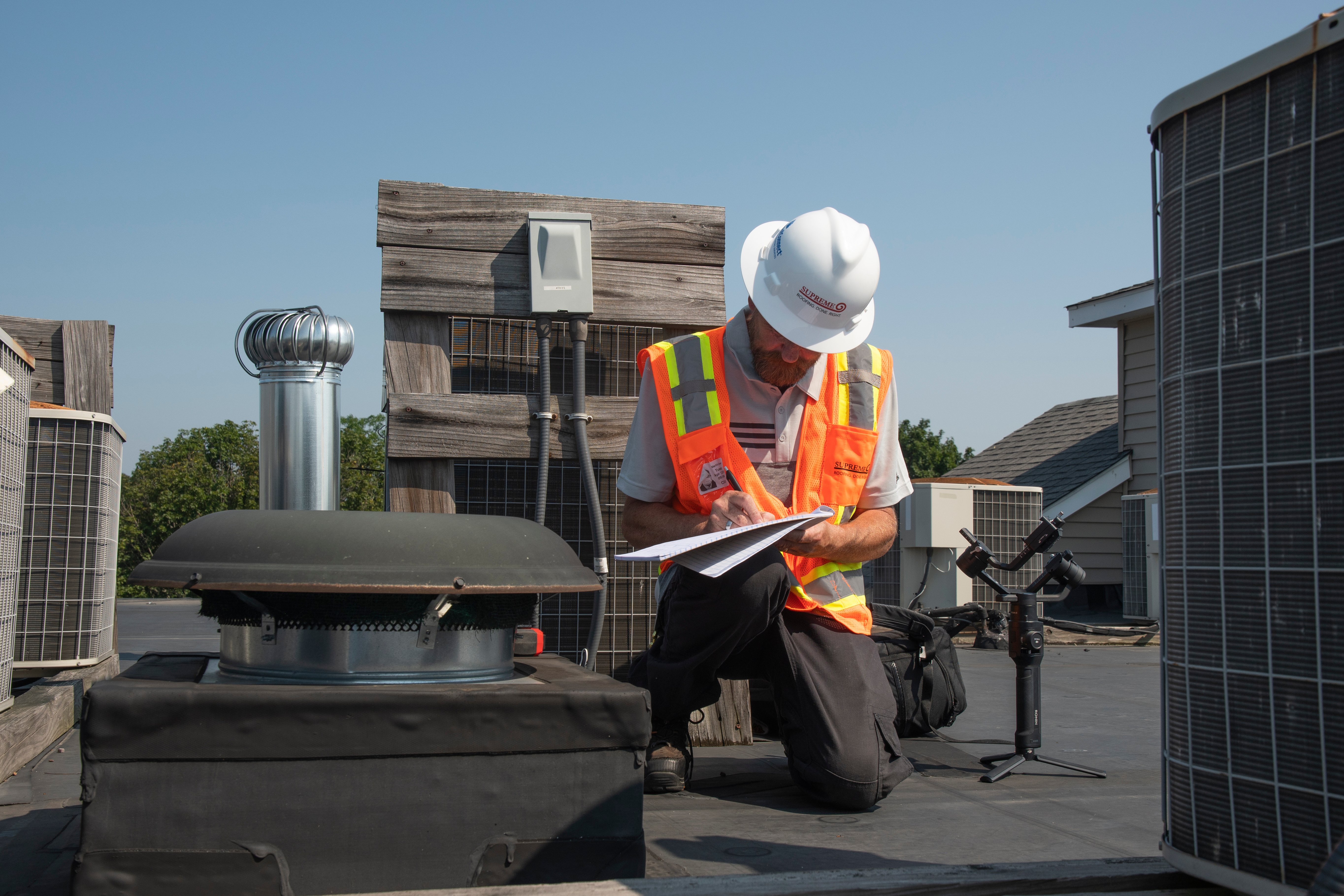
Professional commercial roof inspections should include documented findings, photos, and a clear explanation of the current condition of your roof.
Proposals should outline scope of work, materials, timelines, and assumptions in plain language.
Vague proposals, missing details, or unclear pricing often indicate a lack of planning.
The more complex the building, the more important clarity becomes. A good contractor should welcome questions and be willing to explain their recommendations.
Factor #5: Repair vs Replacement Guidance You Can Trust
One of the biggest differences between a good contractor and a risky one is how they handle the repair versus replacement conversation.
A trustworthy contractor explains options. They walk through the pros and cons of repairs, maintenance, and replacement based on your roof’s condition, age, and usage.
High-pressure sales tactics, urgency without explanation, or one-size-fits-all recommendations are warning signs.
Long-term planning almost always beats reactive decisions. The right contractor helps you plan ahead rather than forcing decisions during emergencies.
Factor #6: Warranty Coverage and Maintenance Requirements
Warranties matter, but only when they are understood.
Many building owners do not realize that most commercial roof warranties require regular, documented maintenance to remain valid.
A good contractor should explain the difference between manufacturer warranties and workmanship warranties and outline what is required to keep them in force.
Maintenance plans should be clear, realistic, and documented. Learning about warranty limitations after a problem occurs is an expensive lesson.
Factor #7: Communication, Accountability, and Responsiveness
How a contractor communicates before the job often reflects how they will perform during and after it.
You should know who your point of contact is, how issues will be handled, and what response times to expect.
Clear communication reduces misunderstandings, keeps projects on track, and matters even more during emergencies.
Responsiveness is not just about convenience. It directly affects damage control, tenant satisfaction, and long-term service quality.
Factor #8: Track Record, Reputation, and Industry Involvement
Reputation is earned over time.
Ask for references, especially from clients with similar buildings or long-term relationships. Repeat customers are often a stronger indicator of quality than marketing claims.
Industry involvement also matters. Contractors who are active in professional organizations and leadership roles tend to be more invested in standards, education, and accountability.
Price matters, but reputation matters more.
How to Compare Commercial Roofing Contractors Side by Side
When evaluating contractors, it helps to compare more than just cost.
A good contractor brings proven experience, strong safety practices, clear proposals, warranty support, and responsive communication.
A risky contractor often lacks documentation, avoids detailed answers, and focuses primarily on price.
Side-by-side comparisons help clarify which contractor is truly prepared to protect your building long term.
Common Mistakes to Avoid When Hiring a Commercial Roofing Contractor
-
Choosing based on price alone
-
Skipping documentation and inspection details
-
Not asking about maintenance or warranty requirements
-
Hiring without a long-term plan
-
Avoiding these mistakes upfront can save significant time and expense later.
What to Do Before You Sign a Contract
Before committing, ask clear questions about scope, warranties, maintenance, safety, and communication.
Make sure you receive written documentation, inspection findings, and a defined scope of work.
Taking the time to slow down and verify details protects both your building and your budget.
How a Good Commercial Roofing Contractor Becomes a Long-Term Partner
A good commercial roofing contractor does more than complete a project and move on.
Over time, they develop an understanding of your building, your priorities, and how your roof performs in real conditions.
That familiarity leads to better recommendations, faster response when issues arise, and smarter long-term planning.
Instead of reacting to problems as they happen, the relationship becomes proactive, helping extend roof life, reduce risk, and avoid costly surprises down the road.
Key Takeaways
Commercial roofing experience matters more than sales promises
Transparency, safety, and accountability are non-negotiable
The right contractor helps you plan, not react
I’m Here to Help!